Video coverage of an event
begins before the big day.
You can’t re-shoot an event. On the big day, no one will give you back the president’s speech, the first customer’s entrance, or the moment the audience stood up. Everything that makes the difference between a film that gets released and raw footage that will never be viewed was decided before the first camera even started rolling.
Recording is a job that requires preparation, not quick reactions
The myth of the event videographer who shows up with his bag, gets a feel for the atmosphere, and improvises is a persistent one. He produces decent footage and forgettable videos. An event is a dynamic entity: the lighting changes, the schedule slips, the speaker goes off script, the sound system cuts out. Improvising under these conditions isn’t a matter of talent—it’s a gamble.
What we do beforehand is reflected in what you receive afterward. Specifically, preparing for a recording involves:
- Site reconnaissance. On-site whenever possible; via video conference or using floor plans when distance makes it necessary. We assess where the light will be coming from at the time of the event, where the power outlets are located, where we can set up equipment without obstructing the audience, and what might appear in the background of the frame that we want to avoid.
- The minute-by-minute breakdown. Not the official program—the real one. The one that tells you when the caterer opens the doors, when the president arrives, and how long the awards ceremony actually lasts.
- The shooting schedule. Who films what, when, and from which position. Each camera has an assigned role and a backup role.
- Permits and restrictions. Access, security, image rights, restricted areas, and drone flights, if permitted by the site and applicable regulations.
- The list of essential shots. The shots without which the film cannot exist. We secure them first, not last.
This preparation is not billed as an additional service. It is included because it is part of the job.
A service provider who just asks you for the address and the time—
—doesn’t prepare anything. They just show up.
On D-Day, we get the job done—and leave some room to spare
Once the preparations are complete, the team no longer has to think about what to film. They can just watch what’s happening. That’s exactly where the shots you never plan for come from: an employee’s expression during the announcement, a child clapping in the front row of the parade, a handshake that speaks louder than any speech. You don’t get those kinds of shots by scrambling to keep up with the program. You get them when you’ve already got the rest under control.
The number of camera operators isn’t a matter of convenience—it’s a matter of risk. Having just one camera at an event featuring speeches, an awards ceremony, and a cocktail reception means accepting in advance that you’ll miss some footage. Two camera positions provide a shot and a reverse shot, resulting in a more fluid edit. A third camera at a fast-paced event ensures that nothing irreplaceable is missed.
| Event Type | What the preparation must determine | Risks if this is not done |
|---|---|---|
| Conference, convention, plenary session | Live audio recording from the control room, fixed camera positions, slide management | Unusable audio and two hours of raw footage that can't be edited |
| Grand Opening, Store Opening | Photos of the empty venue before the audience arrived, timeline of when the doors opened | No clear view of the space—it's all crowded with people |
| Sports Event | Proper framing, long focal lengths, anticipating the action | We film people from behind and miss the moment |
| Outdoor event, fashion show, parade | Route, waypoints, drone (if permitted), weather, and lighting | A disjointed narrative, lacking a wide shot to establish scale |
| Gala Evening, Awards Ceremony | Discreet spotlights, microphones on the speakers, speaking order | Faces in the dark and inaudible speeches |
Sound and Image: Better Twice Than Once
Technical glitches don’t happen often. But they do happen. A card that fails, a battery that doesn’t last as long as advertised, an RF transmitter that drops out because a technician plugged something else into the same frequency. On a fiction shoot, you reshoot the take. At an event, you explain to the client that there’s no take.
That's why redundancy isn't a luxury for engineers—it's the foundation of the profession:
- Dual audio. A recording from the control room on one track, and a lavalier mic or separate recorder on the other. If one of them fails, the speech is still preserved.
- Recording to two storage media. When the equipment supports it, the video is recorded to two cards at the same time.
- A camera that doesn't move. A continuous, stationary shot fills in the gaps left by the moving cameras during editing.
- Back up the data before leaving the site. The raw footage is copied to a second storage device before the truck leaves. Not the next day.
None of these elements appear in the final film. If any of them were missing, it would be obvious.
Filming takes one day.
The movie is made afterward.
Our rule of thumb is simple, and we’ll state it plainly: allow two days of editing for every day of filming. That’s when we determine the pacing, select the takes, handle color grading, mixing, subtitling, and adapting the footage to your platforms’ formats. A service provider who promises you the film by the next morning is actually promising you a chronological edit. It’s not the same thing, and your viewers will sense the difference within seconds.
Very different events, the same method
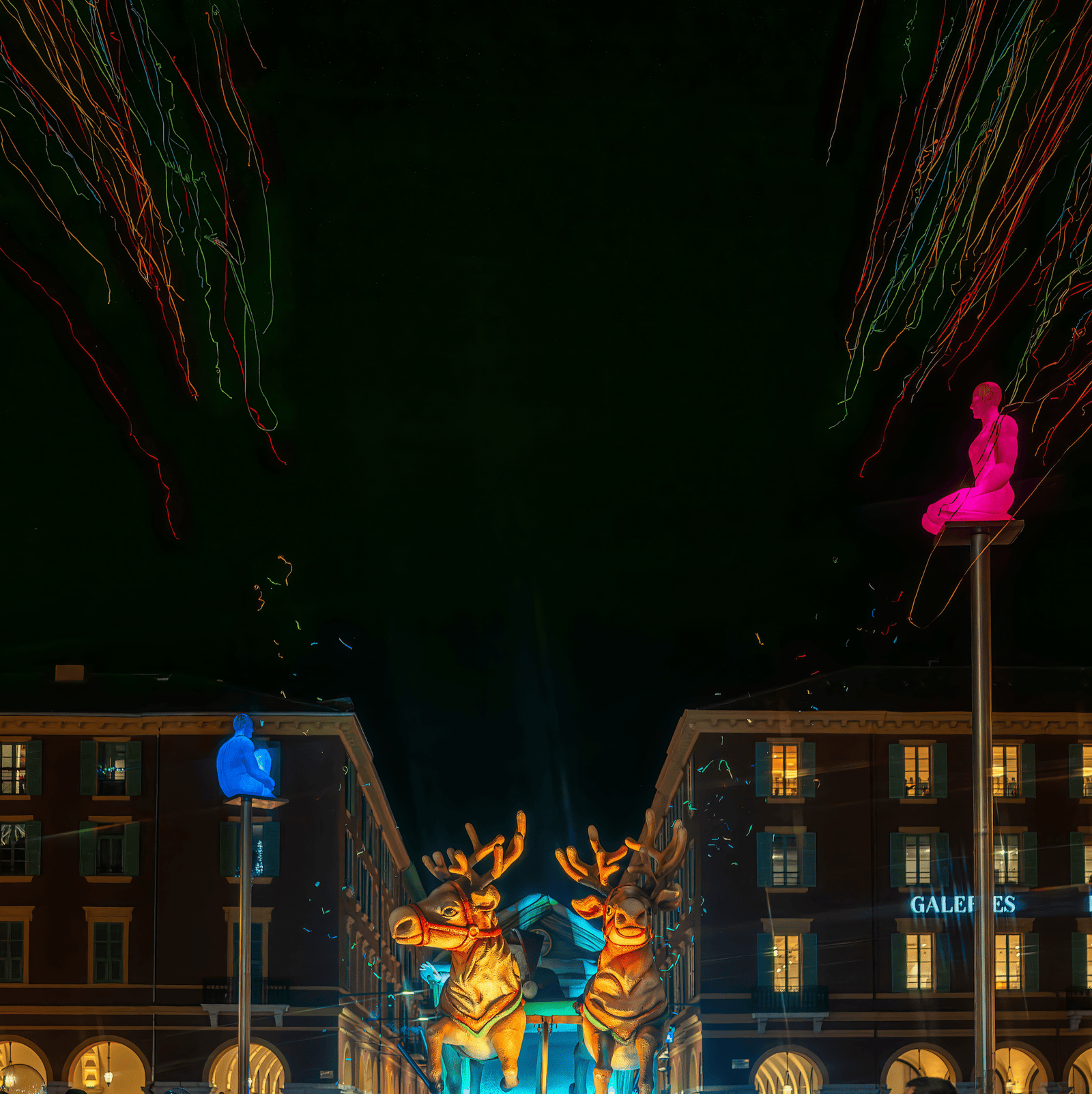
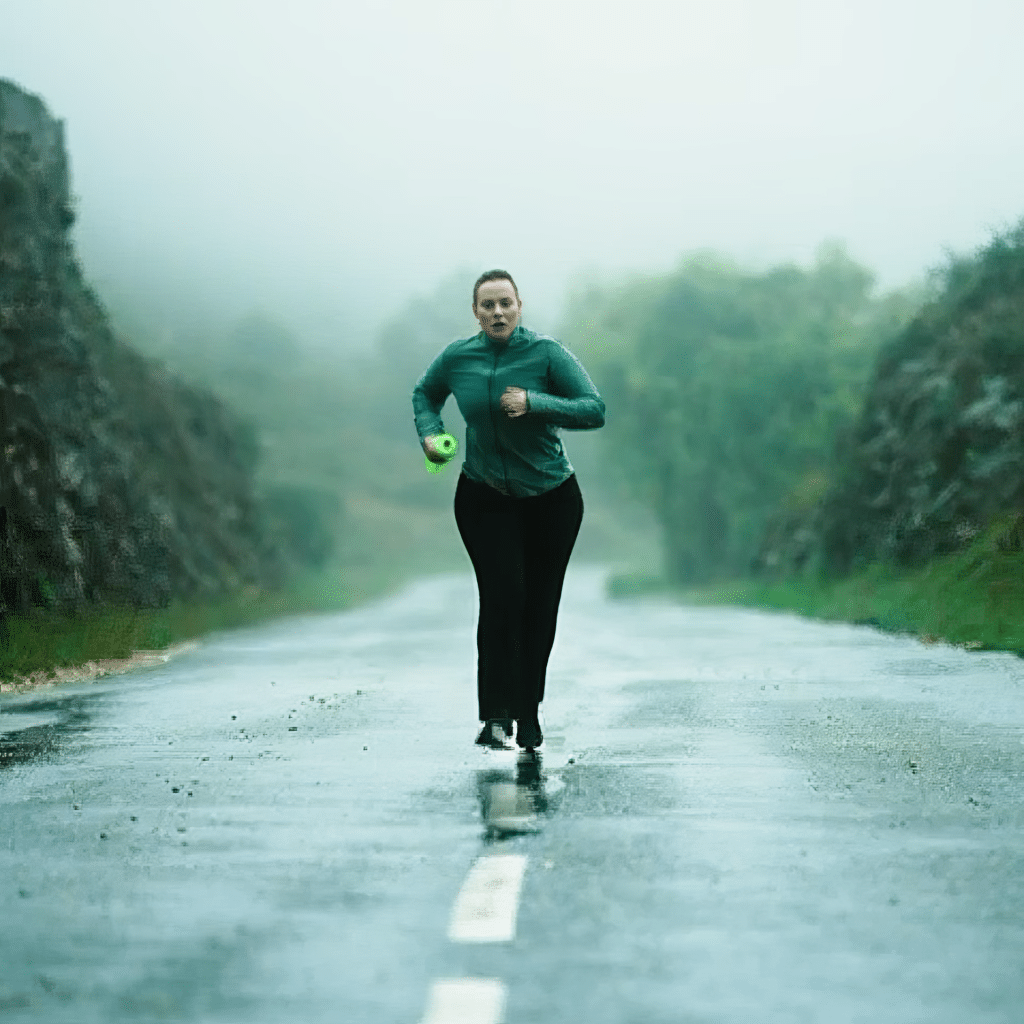
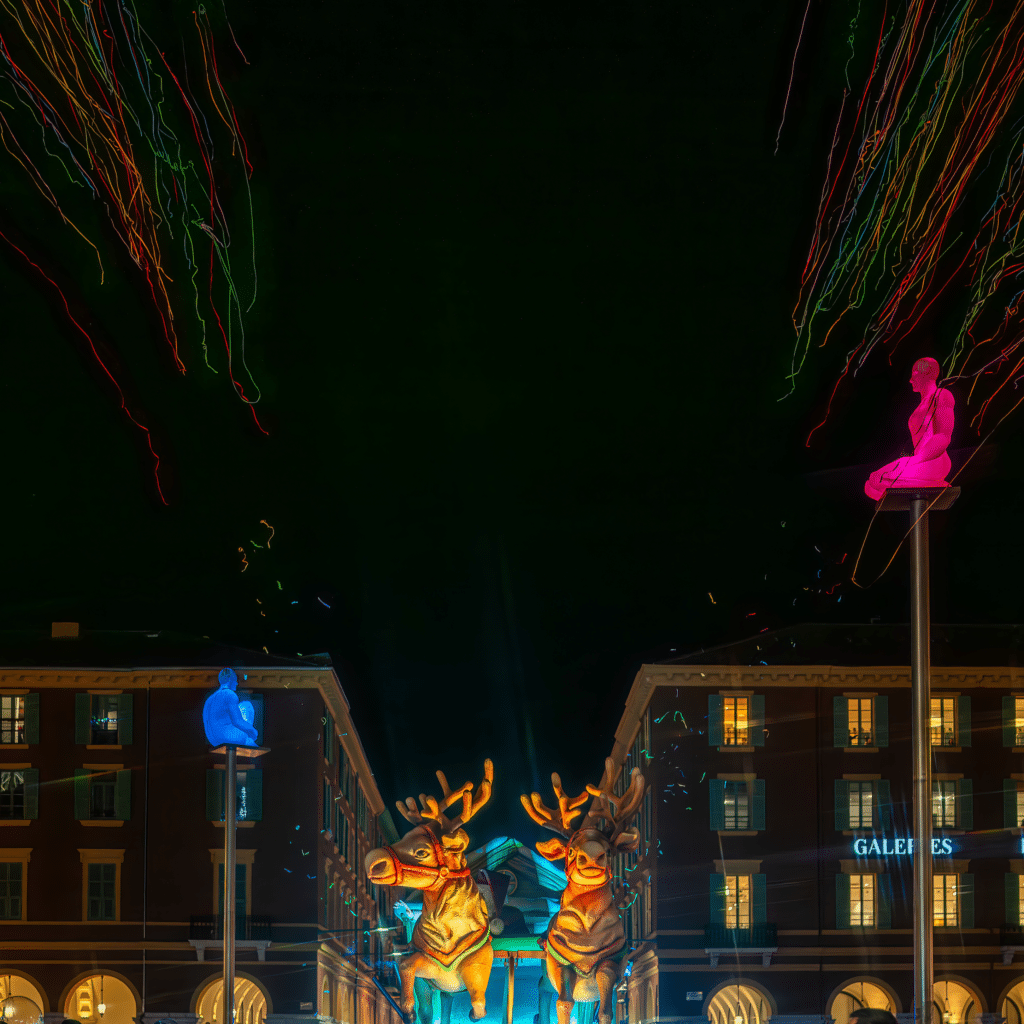
Nice Christmas Parade
A dynamic, outdoor, nighttime event: scouting the route and identifying key points is everything.
View the project →
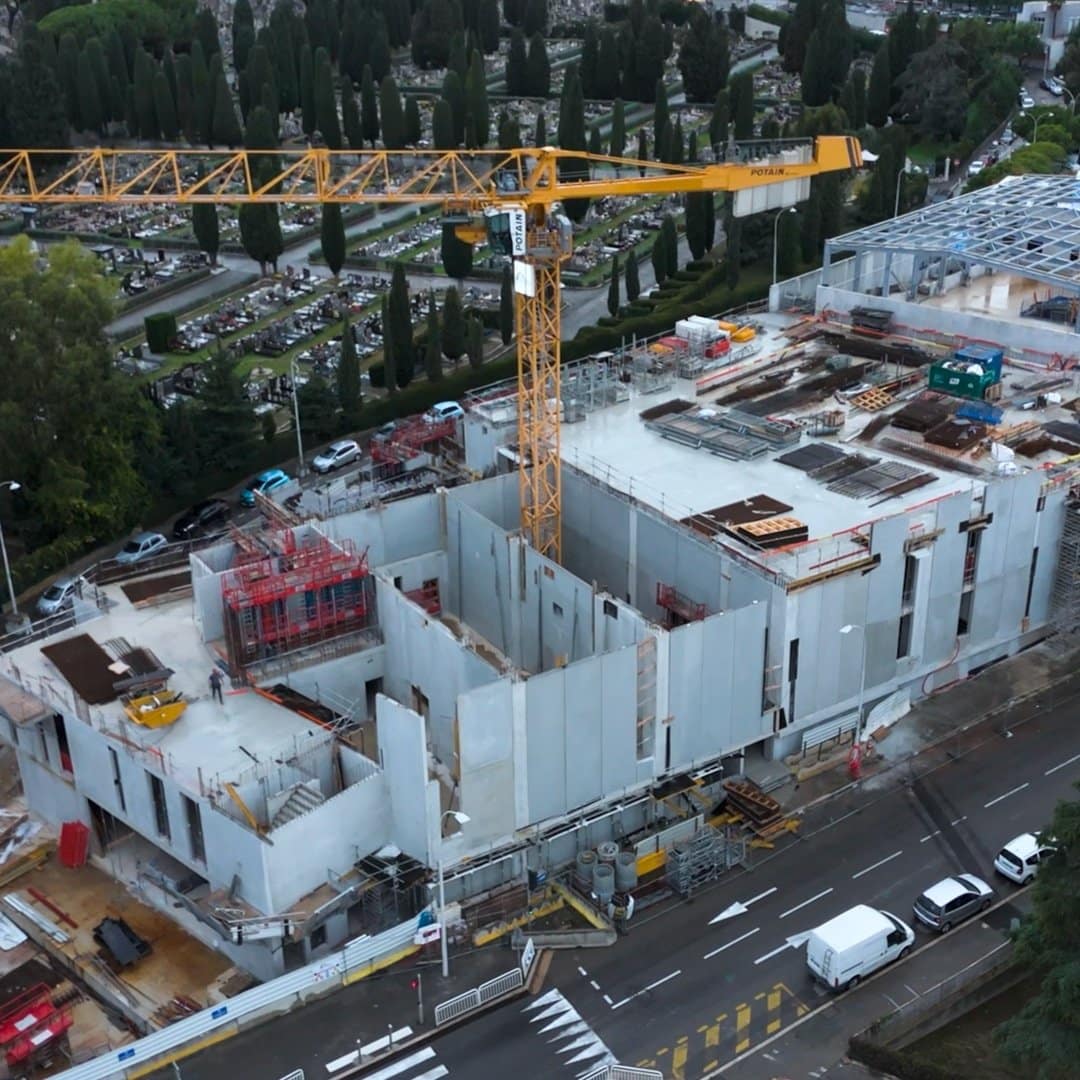
Super U Caucade
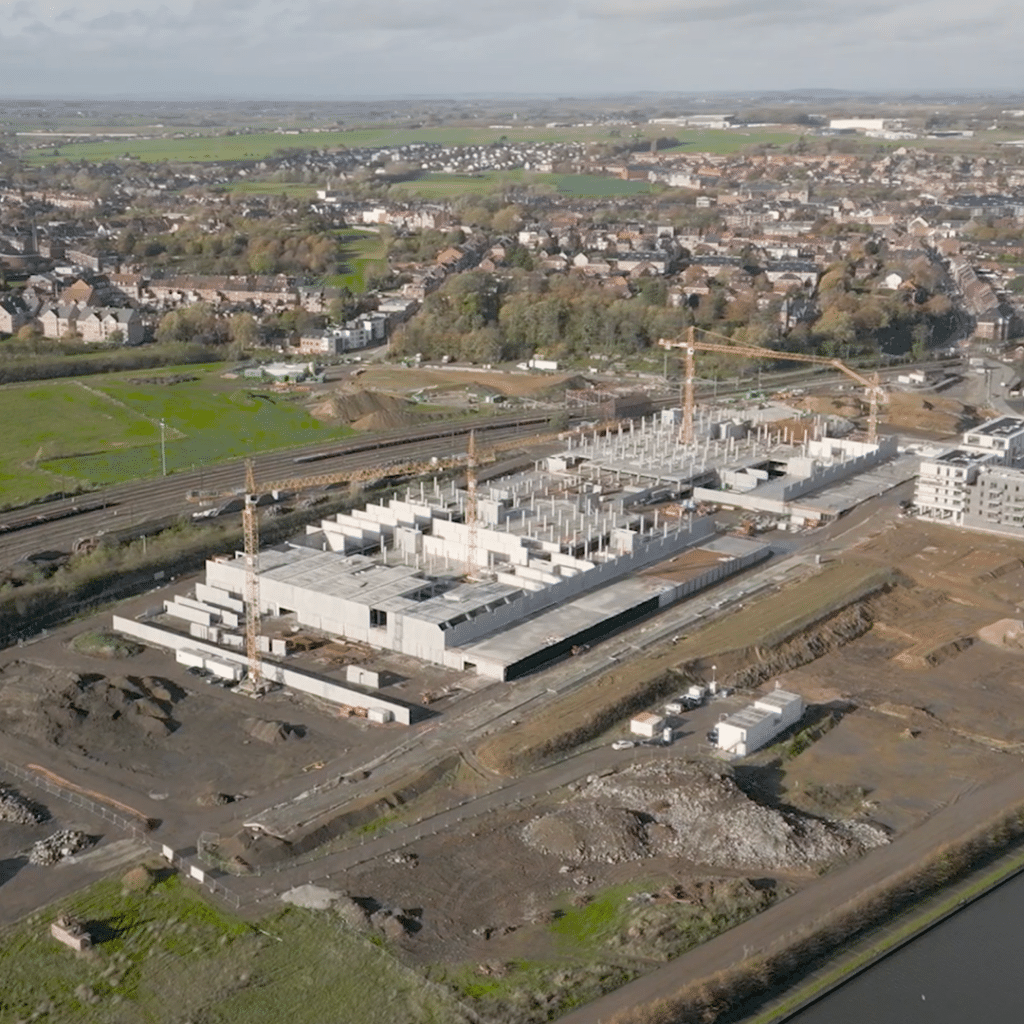
Store floor plans before the store opens don't exist unless they've been planned.
View the project →
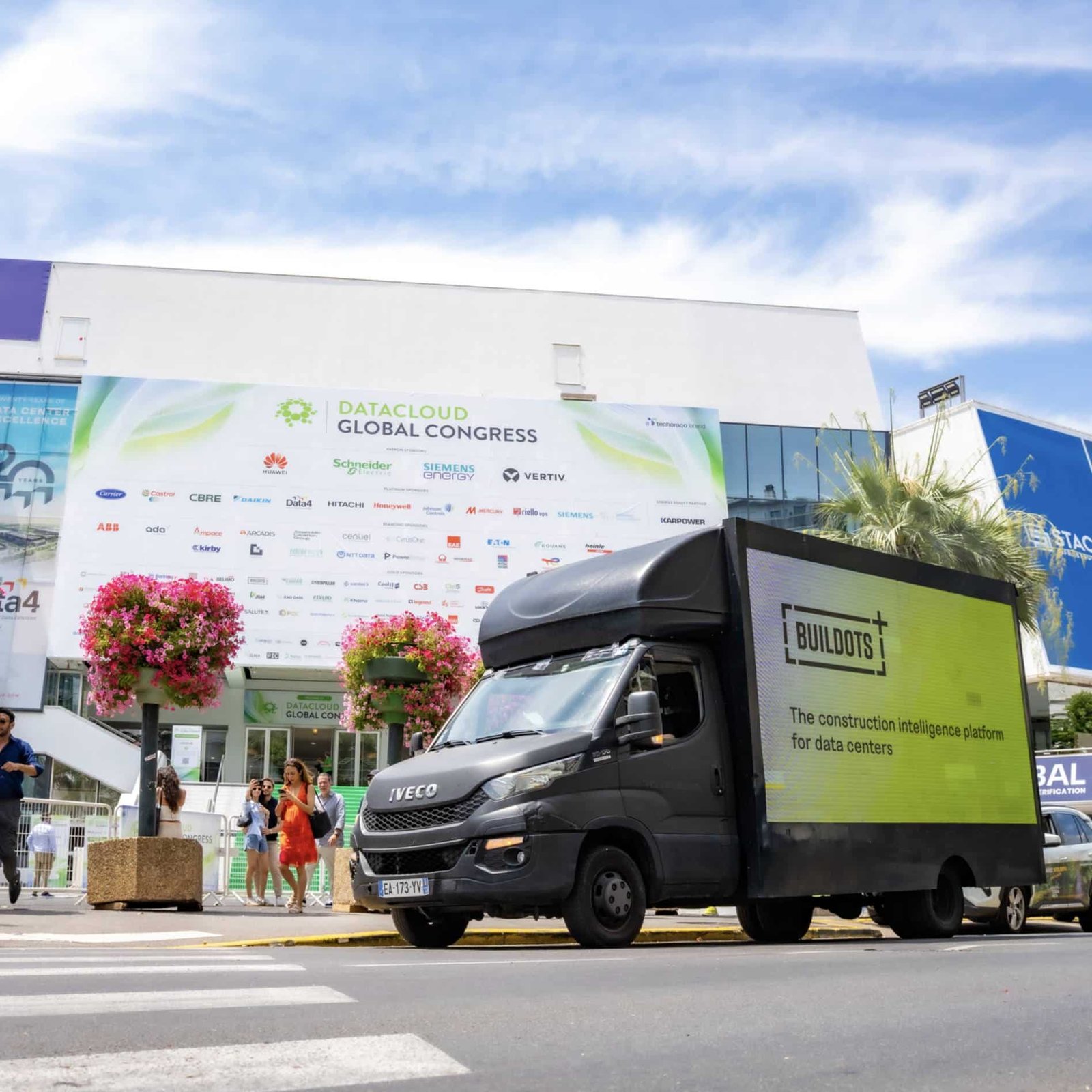
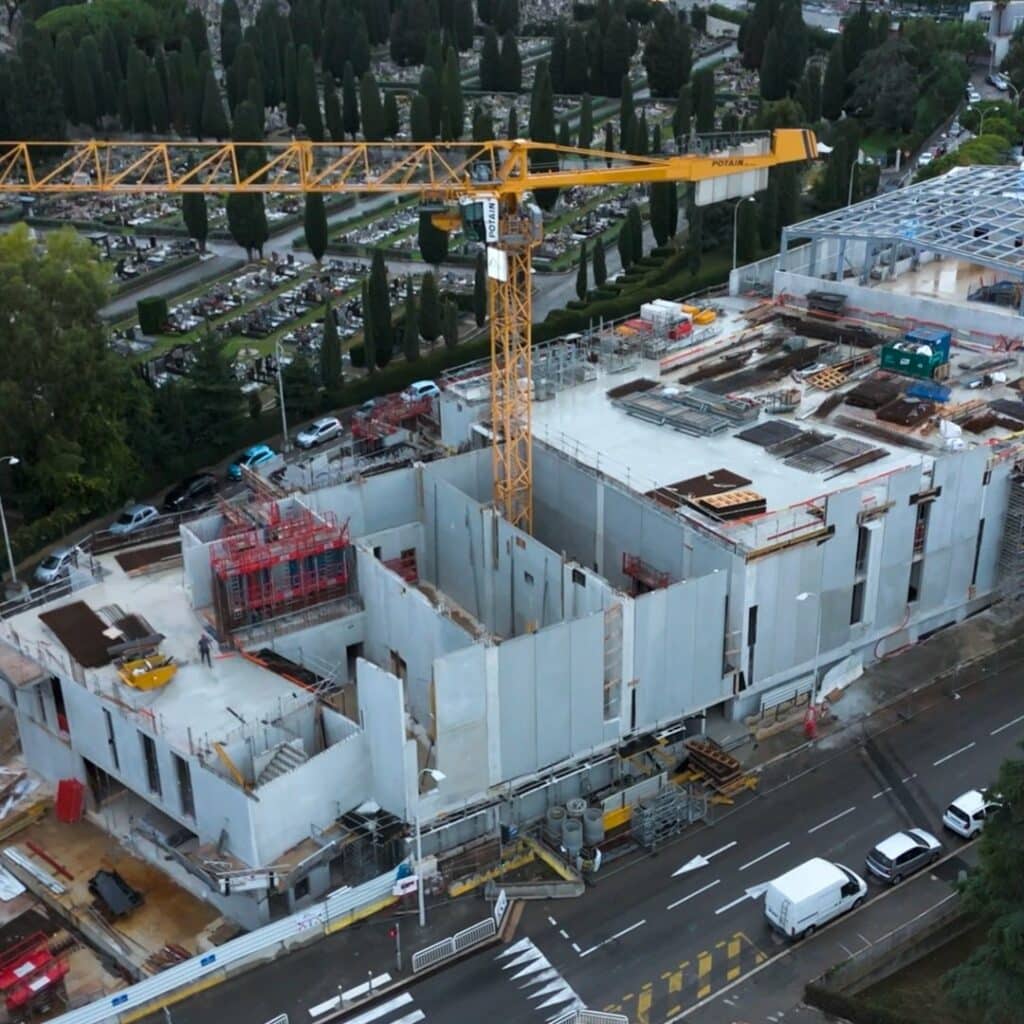
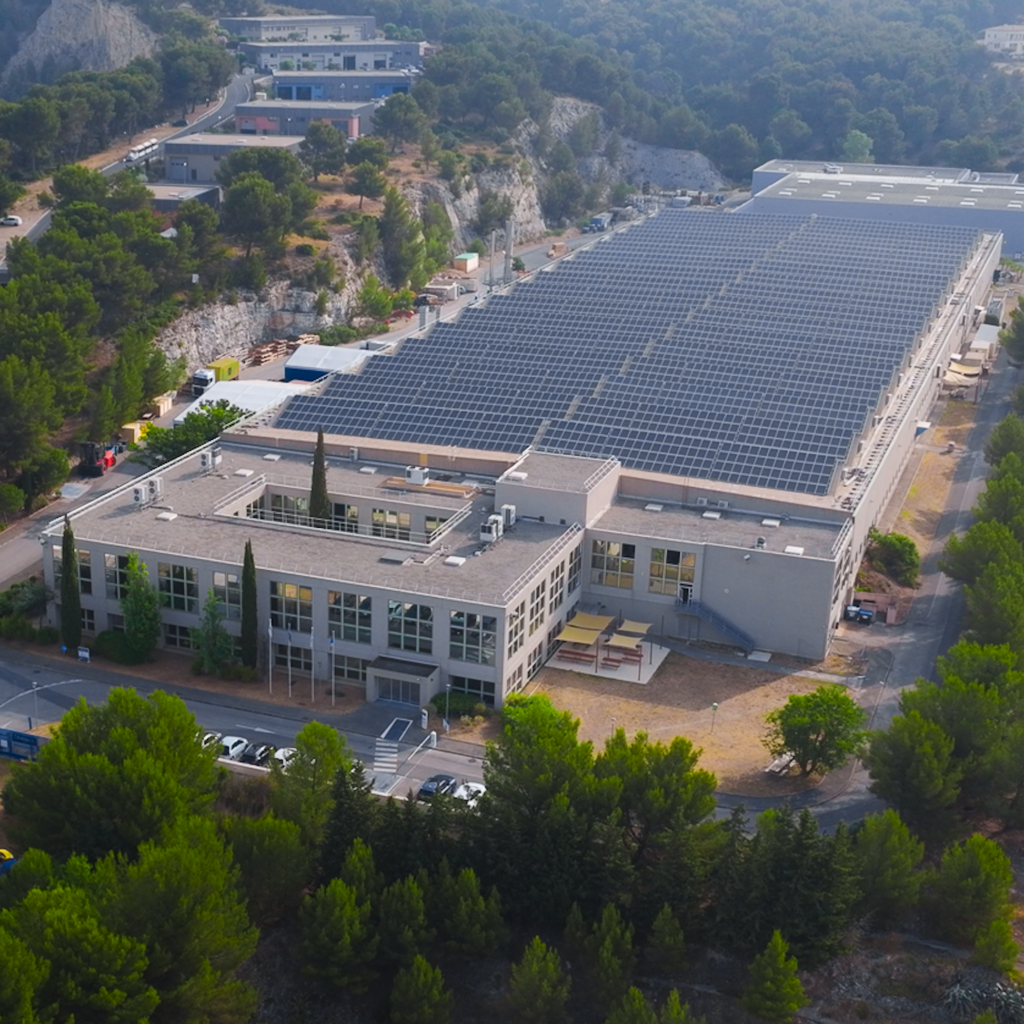
Buildots · Datacloud Cannes
At a trade show, background noise is the number one enemy: the sound system is set up before you even arrive.
View the project →
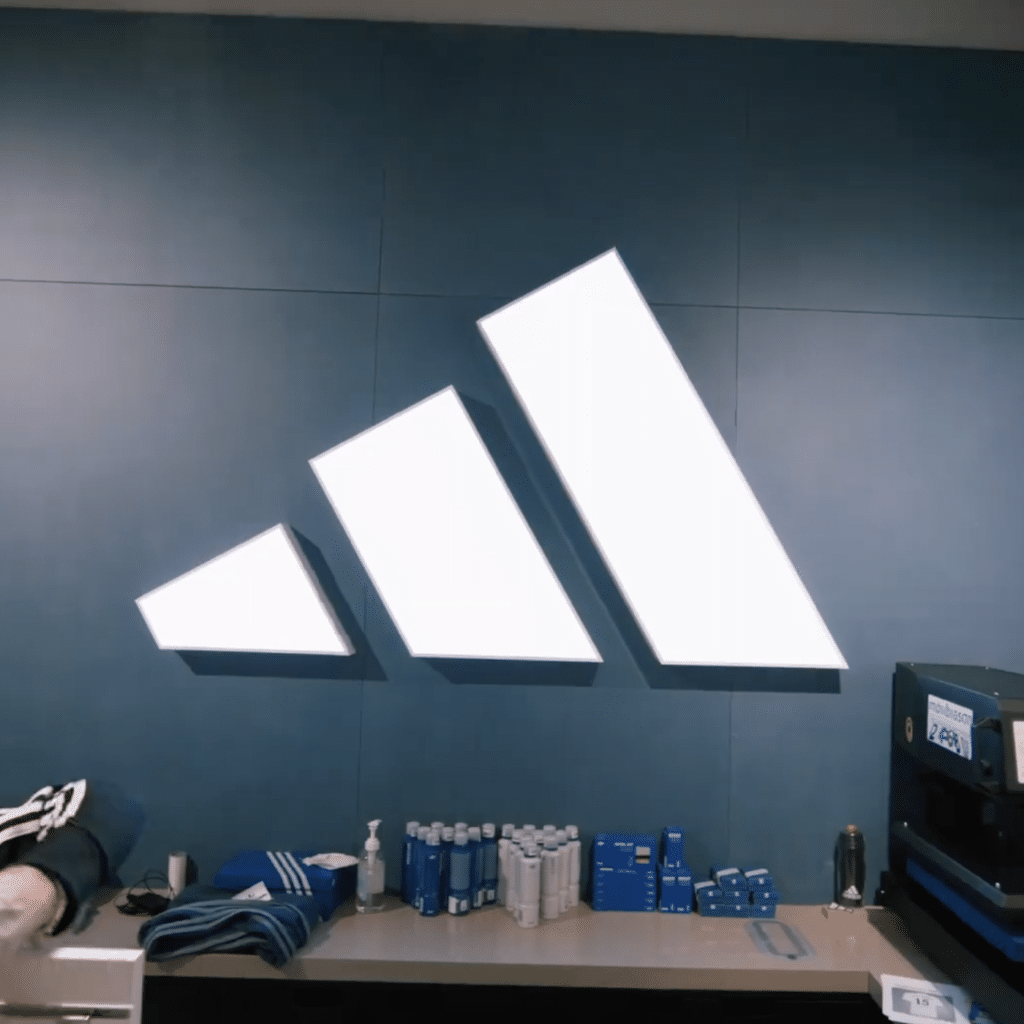
Adidas Cap 3000
An opening lasts only a few minutes. We know exactly where to position ourselves.
View the project →
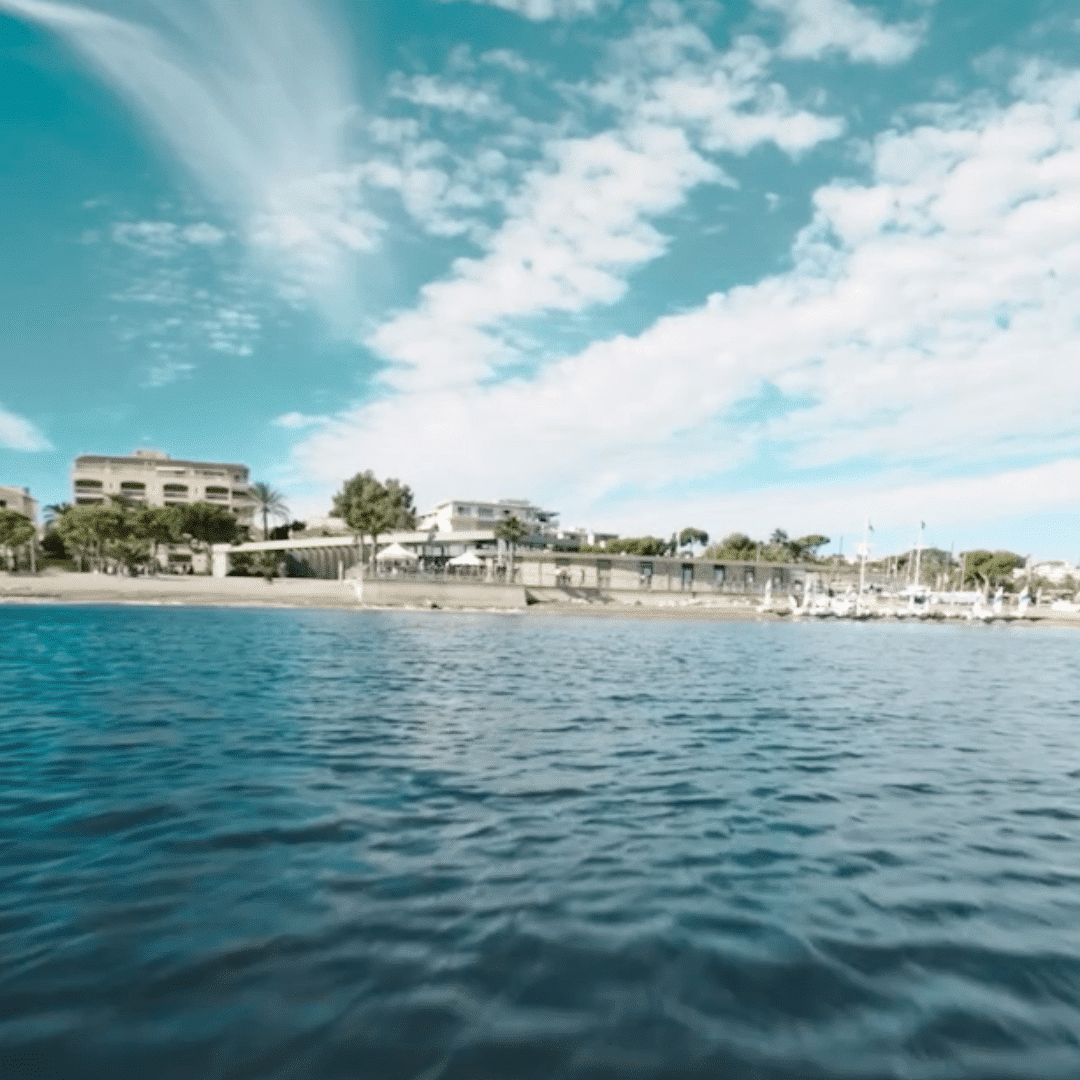
IBSA Regatta
At sea, there’s no second chance: you have to plan ahead for the race and have backup equipment.
View the project →
Here's the result
How much does it cost, and why?
Our price isn’t based on equipment. It’s based on the people involved and the time spent—before, during, and after. An event filmed by a single cameraman and edited into a single format doesn’t cost as much as a multi-camera shoot followed by the production of several versions. To give you an idea: short-form video series for streaming platforms range from €50 to €500 per video; a polished corporate video ranges from €1,500 to €5,000; and a full-scale production, involving multiple crews and multiple deliverables, ranges from €5,000 to €50,000. Details are available on our corporate video pricing page .
One last point that few service providers will tell you: the video isn’t everything. An aftermovie without a distribution budget will just sit on your channel. If the goal is to recruit or attract people, let’s also talk about what happens after it goes live—that’s the focus of our employer branding approach.
We operate out of Mandelieu-la-Napoule, Lille, and Nantes, primarily serving the Alpes-Maritimes, Var, and Bouches-du-Rhône departments, and we’re happy to travel anywhere else. Just give us the date, location, and details of the event, and we’ll let you know what kind of team you’ll need, how much it will cost, and what you’ll receive. We’ll get back to you within the day.